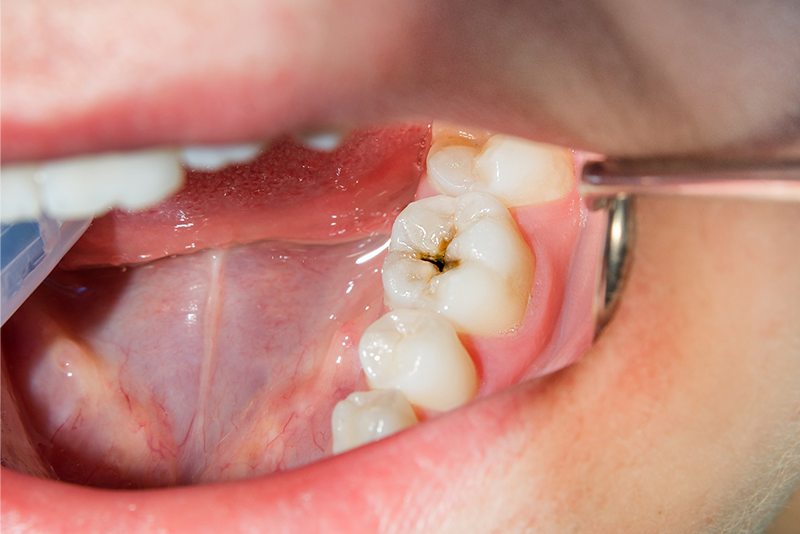
A filling is a way to restore a tooth damaged by decay back to its normal function and shape. The procedure involves first removing the decayed tooth material, cleaning the affected area, and then filling the cleaned out cavity with a filling material.
By closing off spaces where bacteria can enter, a filling also helps prevent further decay. Materials used for fillings include gold, porcelain, a composite resin (tooth-colored fillings), and silver amalgam.
When you need a dental filling, you have many choices. But since different types of fillings are better for different dental conditions, we will help you decide which type of filling is right for you based on factors including the location and severity of the decay, the cost of the filling.
Silver amalgam: Silver amalgam fillings offer strength and durability at lower cost, but many people don’t like the look of them. Also, amalgam fillings can be more prone to expansion and contraction and thus they are more likely to cause a tooth to crack compared with other filling materials.
Composite: Fillings made of a tooth-colored composite are popular because the color can be matched to your teeth. Composite fillings are not as durable as metal fillings and they may need to be replaced after five years, compared with 10 or 15 years for metal fillings. They are more expensive than amalgam fillings.
Glass ionomers: These glass and acrylic fillings usually last less than five years, but they are often a good choice for children whose teeth are still changing. Also, they can release fluoride, which can help prevent tooth decay.
Dental fillings, also known as restorations, are like tiny repairs for your teeth. They’re used to fix cavities caused by tooth decay and restore the strength and function of your teeth.
Diagnosis: Your dentist will examine your teeth and take X-rays to identify any cavities that need to be filled.
Preparation: To prepare the tooth for the filling, your dentist will remove the decayed part of the tooth using a special drill or laser.
Filling: Once the decay is removed, your dentist will fill the cavity with a material such as composite resin, amalgam, or porcelain. This fills the hole and restores the shape and function of the tooth.
Finishing: After the filling is placed, your dentist will shape and polish it to match the natural contours of your tooth and ensure a comfortable bite.
Dental fillings are essential for preventing further decay and preserving the health of your teeth. They come in different materials and colors to suit your needs and preferences. If you suspect you have a cavity, don’t delay—schedule a dental check-up to see if a filling is needed to restore your smile.
Dental restoration, commonly called a filling, is a procedure used to repair a tooth damaged by decay, fracture, or wear. The decayed portion is removed, and the cavity is filled with a material to restore the tooth’s function and appearance.
Common types of dental fillings include:
Composite (tooth-colored) – blends with natural teeth
Amalgam (silver) – durable and long-lasting
Glass ionomer – releases fluoride and bonds well to teeth
Ceramic or porcelain – strong and aesthetic for visible teeth
Yes. Fillings restore the tooth and prevent bacteria from entering the cavity, reducing the risk of further decay.
Brush twice daily and floss regularly
Avoid chewing hard foods directly on the filling for the first 24 hours
Visit your dentist for regular checkups
Most fillings take 20–60 minutes per tooth, depending on the size and location of the cavity.
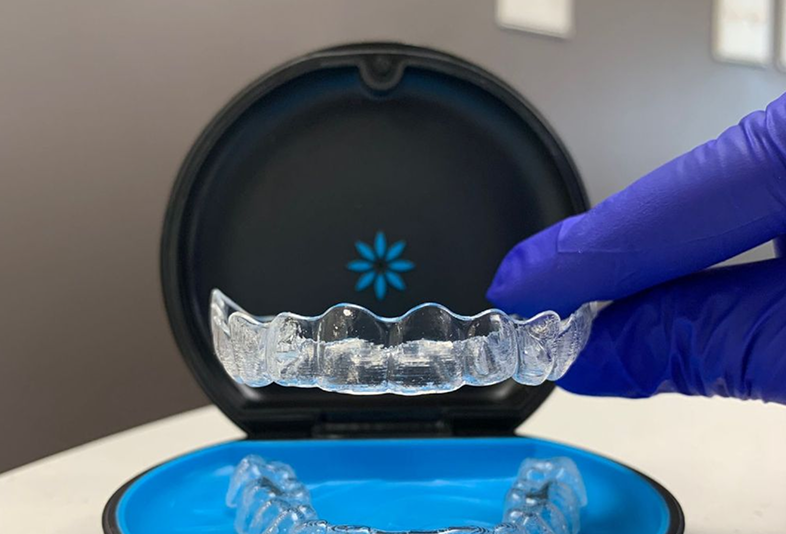
Invisalign is a special way to straighten your teeth without using traditional metal braces.
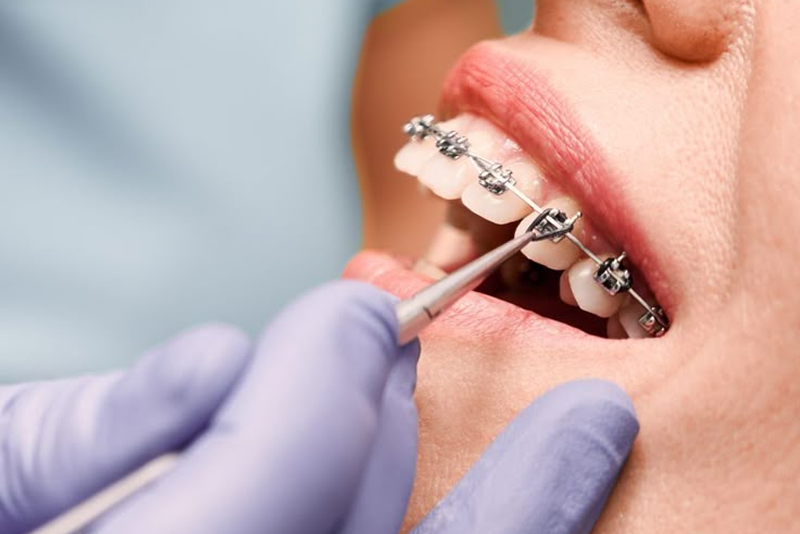
Dental braces (also known as braces, orthodontic braces, or braces) are devices used in orthodontics
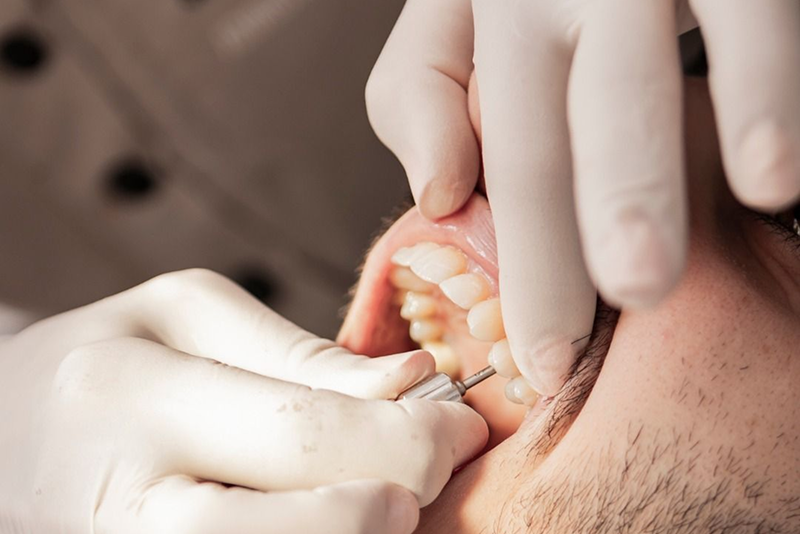
Dental Implants – The most precious gift to humankind from modern dentistry.
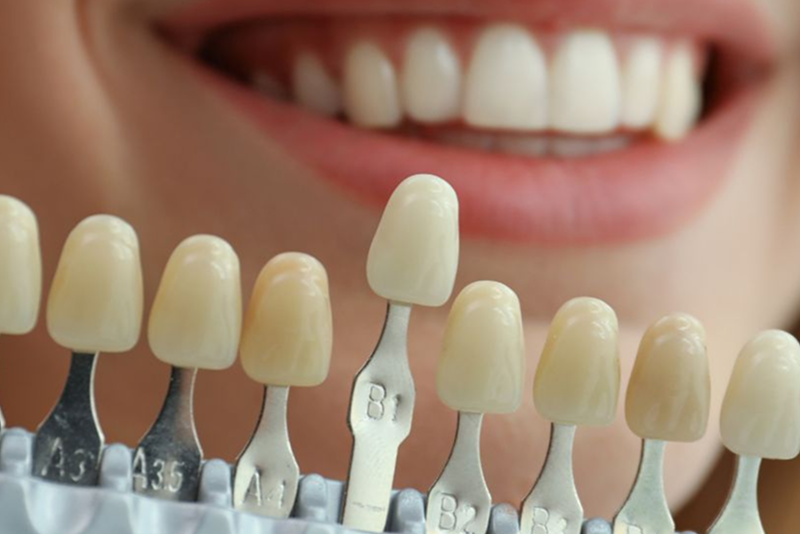
Veneers are ultra-thin, custom made porcelain/ composite shells that are bonded to the front side of teeth.

Regular Dental Checkups Help in Detection Of Early Warning Signs Of Certain Health Related Issues. Visit Your Dentist Regularly And Stay Healthy
Clinic Timing
Morning: 10:00 AM – 02:00 PM
Evening: 03:00 PM – 07:30 PM
Our Services
© 2026 All Rights Reserved by Anant dental clinic orthodontic & implant center